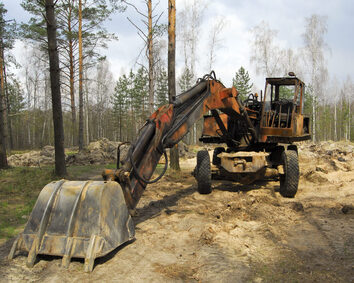
 Tree Services can expertly remove tree stumps
Tree Services in Round Rock and Austin TX can help you remove stumps. Tree stump removal is a crucial aspect of landscaping and land maintenance. Whether you're a homeowner looking to reclaim space in your yard or a property developer planning a construction project, knowing what goes into a tree stump removal job is essential for effective planning and execution. 1. Assessment and Planning Before diving into the removal process, it's vital to assess the situation and plan accordingly. Factors such as the size of the stump, its location, the surrounding landscape, and any potential obstacles must be considered. Assessing these elements helps determine the most suitable removal method and ensures safety and efficiency throughout the process. 2. Choosing the Removal Method Several methods are commonly used for tree stump removal, each with its advantages and considerations:
3. Safety Precautions Regardless of the removal method chosen, safety should always be a top priority. Tree stump removal can involve powerful machinery and tools, so proper safety precautions must be taken to prevent accidents and injuries. This includes wearing appropriate personal protective equipment (PPE), such as gloves, eye protection, and steel-toed boots, as well as ensuring that the work area is clear of bystanders and obstacles. Execution and Aftercare With careful planning and the right approach, executing a tree stump removal job can be a smooth and efficient process. However, proper aftercare is also essential to ensure the long-term success of the removal and prevent issues such as regrowth or soil erosion. 1. Execution of Removal Once the removal method has been chosen and safety precautions are in place, the actual removal process can begin:
2. Aftercare and Restoration After the stump has been removed, it's essential to take steps to restore the area and prevent any issues from arising:
3. Environmental Considerations In addition to the practical aspects of tree stump removal, it's important to consider the environmental impact of the process:
By incorporating these environmental considerations into the tree stump removal process, homeowners and property developers can ensure that their actions have a minimal impact on the environment while still achieving their landscaping goals. Taking a proactive approach to environmental stewardship benefits both the immediate surroundings and the broader ecosystem for years to come. Hire the best tree services in Round Rock and Austin TX Leaf Tree Services is your locally owned professional tree service with certified arborists for residential and commercial customers in Round Rock, Austin, and surrounding Central Texas areas. You can trust your trees to us. Contact us today to schedule a consultation, at 512-670-6766.
0 Comments
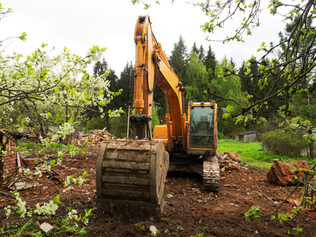 Arborist can help property managers maintain trees
An arborist in Round Rock and Austin TX can help property managers take care of trees. Property management in Austin, TX, entails a myriad of responsibilities, from maintaining the structural integrity of buildings to ensuring the aesthetics of the landscape. Amidst these duties, one crucial aspect that often requires specialized attention is the care and maintenance of trees. Trees not only enhance the visual appeal of a property but also contribute to its overall value and environmental sustainability. In this article, we delve into the significance of hiring an arborist for property managers in Austin, TX, and how their expertise can positively impact the management of green spaces within properties. 1. Expertise in Tree Care and Maintenance Arborists are trained professionals with expertise in the care and maintenance of trees. They possess comprehensive knowledge of tree biology, diseases, pruning techniques, and proper maintenance practices. When property managers enlist the services of an arborist, they gain access to specialized knowledge that ensures the health and longevity of the trees on their properties. With Austin's unique climate and diverse tree species, this expertise becomes invaluable in preserving the vitality of the urban forest. 2. Risk Assessment and Mitigation Trees, if not properly maintained, can pose significant risks to property and occupants. Dead branches, diseased trees, and structural defects are common issues that may compromise safety. Arborists are trained to assess these risks and develop strategies to mitigate them effectively. By conducting regular inspections and implementing appropriate measures, arborists help property managers identify and address potential hazards proactively, thus reducing the risk of property damage and personal injury. 3. Preservation of Tree Health and Beauty Maintaining the health and beauty of trees is essential for enhancing the overall appeal of a property. Arborists employ various techniques, such as pruning, fertilization, and pest management, to ensure optimal tree health and vitality. In Austin's urban environment, where trees face numerous challenges, including drought, pests, and diseases, the expertise of an arborist is indispensable in preserving the beauty and ecological value of the landscape. 4. Compliance with Local Regulations Austin, TX, like many other cities, has regulations governing the preservation and management of trees. Property managers must comply with these regulations to avoid legal issues and fines. Arborists are well-versed in local tree ordinances and can assist property managers in navigating regulatory requirements. Whether obtaining permits for tree removal or implementing tree preservation plans for development projects, arborists ensure that property managers remain in compliance with the law while promoting sustainable tree management practices. 5. Long-Term Investment in Property Value Trees are long-term investments that contribute to the overall value of a property. Well-maintained trees not only enhance curb appeal but also provide numerous economic, environmental, and social benefits. By investing in professional tree care services provided by arborists, property managers safeguard their investments and enhance the desirability of their properties. Additionally, healthy trees can increase property values, attract tenants, and foster a sense of community pride. Services Offered by Arborists and Benefits for Property Managers in Austin TX Now that we've established the importance of hiring an arborist for property managers in Austin, TX, let's delve deeper into the specific services offered by these professionals and the corresponding benefits for property management.
Hiring an arborist is a wise investment for property managers in Austin, TX, seeking to effectively manage and maintain the trees on their properties. From expert tree care and risk mitigation to landscape design and sustainability initiatives, arborists offer a range of services that contribute to the health, beauty, and value of urban landscapes. By partnering with arborists, property managers can ensure the long-term vitality of their properties while fulfilling their stewardship responsibilities to the community and the environment. Hire the best-rated arborist in Round Rock and Austin TX Leaf Tree Services is your locally owned professional tree service with certified arborists for residential and commercial customers in Round Rock, Austin, and surrounding Central Texas areas. You can trust your trees to us. Contact us today to schedule a consultation, at 512-670-6766. 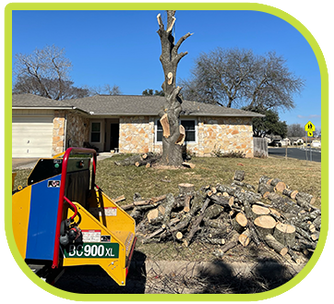 Tree maintenance experts can help you know how to prune
Tree maintenance experts in Round Rock and Austin TX can help you improve your landscape. Tree pruning is a fundamental practice in arboriculture, serving as a cornerstone for maintaining the health, aesthetics, and safety of trees. While it may seem like a straightforward task, proper pruning requires knowledge of tree biology, growth patterns, and pruning techniques. In this article, we delve into the basics of tree pruning as an essential practice for tree maintenance.
Key Principles and Techniques of Tree Pruning While the benefits of tree pruning are clear, achieving desired outcomes requires adherence to key principles and techniques. Understanding these fundamentals is essential for effectively managing tree growth and health through pruning practices.
In conclusion, tree pruning is a critical practice for maintaining the health, aesthetics, and safety of trees in urban and natural environments. By understanding the importance of pruning, adhering to key principles and techniques, and considering the unique characteristics of tree species, arborists and homeowners can effectively manage tree growth and promote the long-term vitality of their landscapes. Hire the best tree maintenance experts in Round Rock and Austin TX Leaf Tree Services is your locally owned professional tree service with certified arborists for residential and commercial customers in Round Rock, Austin, and surrounding Central Texas areas. You can trust your trees to us. Contact us today to schedule a consultation, at 512-670-6766. 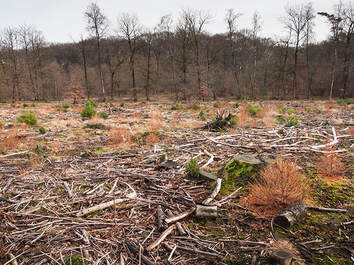 Land clearing experts can help you understand the entire process
Land clearing in Round Rock and Austin TX can help you understand all you need to know about the process. This is an essential aspect of property management and development. Whether you're preparing a site for construction, agricultural purposes, or reclaiming overgrown land, the process involves removing vegetation, trees, rocks, and other obstacles from the area. At Leaf Tree Services, we understand the importance of clearing and have compiled a list of frequently asked questions to help you better understand the process. 1. What is Land Clearing? This refers to the removal of vegetation, trees, debris, and other obstacles from a designated area of land. This process is typically done to prepare the land for various purposes, including construction, agriculture, landscaping, and fire prevention. 2. Why is Land Clearing Necessary? This is necessary for several reasons. Firstly, it creates space for development projects such as building construction, roadways, or agricultural fields. Secondly, it helps improve land usability by removing overgrown vegetation and invasive species. Additionally, clearing can enhance property aesthetics and increase property value. 3. What Methods are Used for Land Clearing? There are several methods used for clearing, depending on the size of the area, the type of vegetation, and the intended land use. Some common methods include:
Each method has its advantages and is chosen based on the specific requirements of the project. 4. Is Land Clearing Harmful to the Environment? While it can have environmental impacts, such as habitat disruption and soil erosion, it can be done responsibly to minimize these effects. At Leaf Tree Services, we prioritize sustainable land management practices and take measures to minimize environmental damage during the clearing process. This may include selective clearing to preserve native vegetation, erosion control measures, and reforestation efforts. 5. How Long Does Land Clearing Take? The duration of clearing depends on various factors, including the size of the area, the density of vegetation, and the chosen clearing method. Small-scale clearing projects may be completed in a matter of days, while larger projects may take weeks or even months to complete. Our team at Leaf Tree Services works efficiently to complete projects promptly while ensuring quality results. 6. What Happens to the Cleared Vegetation? After vegetation is cleared from the land, it can be repurposed or disposed of in several ways. In some cases, the cleared vegetation may be chipped or mulched and used for landscaping, erosion control, or biomass energy production. Alternatively, it may be transported to a designated disposal site for composting or landfilling. 7. Do I Need Permits for Land Clearing? The need for permits for clearing varies depending on local regulations and the scale of the project. In some areas, minor clearing activities may not require permits, while larger-scale projects may necessitate environmental assessments and permits from local authorities. It's essential to consult with a professional land-clearing service like Leaf Tree Services to ensure compliance with all applicable regulations. 8. How Much Does Land Clearing Cost? The cost of this depends on several factors, including the size of the area, the complexity of the terrain, the chosen clearing method, and any additional services required. At Leaf Tree Services, we provide competitive pricing tailored to each project's specific requirements. We offer free consultations and estimates to help our clients understand the costs involved upfront. 9. Can Land Clearing Services Remove Stumps and Roots? Yes, many of this services, including Leaf Tree Services, offer stump and root removal as part of their services. Stump grinding or excavation equipment is used to remove stumps and roots from the cleared area, ensuring a clean and level surface for further development or landscaping. 10. How Can I Schedule a Land Clearing Service? Scheduling a land-clearing service with Leaf Tree Services is easy! Simply contact us through our website or give us a call to discuss your project requirements and schedule a consultation. Our experienced team will assess your needs, provide personalized recommendations, and work with you to develop a plan that meets your goals and budget. 11. What measures are taken to prevent erosion during land clearing? Erosion control is a crucial aspect of clearing to prevent soil loss and maintain environmental stability. Techniques such as installing silt fences, erosion control blankets, and vegetative stabilization using grasses or ground cover can help mitigate erosion risks during and after the clearing process. 12. Are there any alternatives to traditional land-clearing methods? Innovative techniques such as low-impact clearing, which minimizes disturbance to the soil and surrounding vegetation, are gaining popularity in environmentally sensitive areas. Additionally, advancements in technology have led to the development of specialized equipment and methods designed to reduce the ecological footprint of land-clearing operations. 13. What are the long-term effects of land clearing? While this is necessary for various purposes, it can have long-term impacts on ecosystems, including habitat loss, soil degradation, and changes in water flow patterns. Implementing restoration measures such as reforestation, soil stabilization, and habitat enhancement can help mitigate these effects and promote ecological resilience over time. 14. Can land clearing improve property value? Properly executed land-clearing projects can enhance the aesthetic appeal, functionality, and marketability of properties by creating usable space, improving access, and enhancing views. However, it's essential to consider the potential impacts on natural features, such as mature trees and wildlife habitats, and balance development goals with environmental conservation efforts. 15. What ongoing maintenance is required after land clearing? Depending on the intended use of the cleared land, ongoing maintenance may be necessary to control vegetation regrowth, manage erosion, and preserve soil health. Regular inspections, monitoring, and maintenance activities such as mowing, mulching, and replanting can help sustain the benefits of clearing in the long term. Hire the best-rated land-clearing experts in Round Rock and Austin TX Leaf Tree Services is your locally owned professional tree service with certified arborists for residential and commercial customers in Round Rock, Austin, and surrounding Central Texas areas. You can trust your trees to us. Contact us today to schedule a consultation, at 512-670-6766. 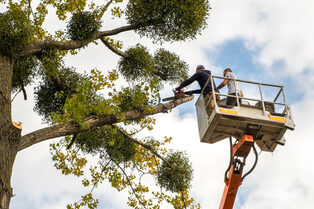 Tree care experts can help maintain trees all year round
Tree care in Round Rock and Austin TX can help maintain your trees all year round. As the seasons change, so do the needs of our trees. Each phase of the year presents unique challenges and opportunities for tree care. In this article, we'll explore how tree care needs evolve across the seasons. Spring: A Time for Renewal As the winter chill begins to fade away, spring breathes new life into the natural world. Trees, emerging from dormancy, start to show signs of growth. However, this transition period requires careful attention from tree owners to ensure the health and vitality of their green companions.
Summer: Nurturing Through the Heat As summer sets in with its longer days and warmer temperatures, trees face the challenge of conserving moisture and withstanding heat stress. Tree care during this season focuses on providing support and protection to help trees thrive in the summer heat.
By understanding and addressing the evolving needs of trees throughout spring and summer, tree owners can nurture healthy, resilient specimens that enhance the beauty and biodiversity of their surroundings. Autumn: Preparing for Dormancy Autumn is a time of transition as trees prepare for dormancy. While the days grow shorter and temperatures begin to drop, there are several key tasks tree owners can undertake to help their trees thrive during this season of change.
Winter: Providing Support Through the Cold Winter poses unique challenges for trees as they enter dormancy and face exposure to harsh weather conditions. Careful attention during this season can help trees withstand the cold and emerge strong and healthy in the spring.
By adapting tree care practices to meet the changing needs of trees throughout autumn and winter, tree owners can provide the support and protection necessary for their trees to thrive year-round. Remember, caring for trees is a long-term commitment that rewards both the environment and future generations with beauty, shade, and biodiversity. Hire the best tree care services in Round Rock and Austin TX Leaf Tree Services is your locally owned professional tree service with certified arborists for residential and commercial customers in Round Rock, Austin, and surrounding Central Texas areas. You can trust your trees to us. Contact us today to schedule a consultation, at 512-670-6766. 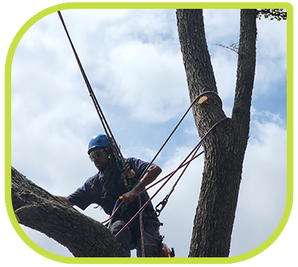 Tree care services can help maintain a healthy ecosystem
Tree care services in Round Rock and Austin TX can help deal with invasive species. Invasive species pose a significant threat to ecosystems worldwide, often outcompeting native species and disrupting delicate ecological balances. These non-native organisms, whether plants, animals, fungi, or microbes, can spread rapidly and cause considerable damage to the environment, economy, and human health. Addressing invasive species requires a multi-faceted approach, and tree care experts play a crucial role in managing the impact of invasive species on forests and urban green spaces. Invasive species typically thrive in environments where they encounter minimal natural predators or competitors, allowing them to proliferate unchecked. Factors such as global trade, travel, and climate change contribute to the spread of these species, as they are often introduced to new areas unintentionally. Once established, invasive species can outcompete native flora and fauna for resources such as sunlight, water, and nutrients, leading to biodiversity loss and ecosystem degradation. In forests, invasive plants like kudzu, Japanese knotweed, and tree-of-heaven can quickly overtake native vegetation, choking out trees and other plants essential for wildlife habitat. In urban areas, invasive insects such as the emerald ash borer and the Asian long-horned beetle pose threats to tree health, causing widespread damage and economic losses. Additionally, invasive pathogens like sudden oak death and Dutch elm disease can devastate entire tree populations, altering landscapes and reducing the ecological services provided by trees, such as carbon sequestration and air purification. The Role of Tree Care Experts Tree care experts play a vital role in managing the impact of invasive species on forests, parks, and urban landscapes. These professionals possess the knowledge, skills, and tools necessary to identify invasive species, assess their impact on tree health, and develop effective management strategies. Here are some ways in which tree care experts can help combat invasive species:
Leaf Tree Services: Leaders in Invasive Species Management In the fight against invasive species, tree care companies like Leaf Tree Services play a pivotal role in implementing effective management strategies and preserving the health of our natural landscapes. Leaf Tree Services, based in Austin, Texas, is renowned for its expertise in tree care and commitment to environmental stewardship. Let's delve into how Leaf Tree Services can help deal with invasive species:
By leveraging their expertise, resources, and dedication to environmental sustainability, Leaf Tree Services stands at the forefront of invasive species management, making significant contributions to the preservation of our natural landscapes. In conclusion, the threat posed by invasive species requires proactive and concerted efforts from all stakeholders, including tree care professionals like Leaf Tree Services. Through their specialized knowledge, integrated pest management solutions, state-of-the-art equipment, and commitment to community engagement, Leaf Tree Services plays a vital role in safeguarding our ecosystems from the detrimental effects of invasive species. As we continue to confront this global challenge, the expertise and dedication of companies like Leaf Tree Services are indispensable in preserving the health and resilience of our natural world. Hire the best-rated tree care services in Round Rock and Austin TX Leaf Tree Services is your locally owned professional tree service with certified arborists for residential and commercial customers in Round Rock, Austin, and surrounding Central Texas areas. You can trust your trees to us. Contact us today to schedule a consultation, at 512-670-6766. 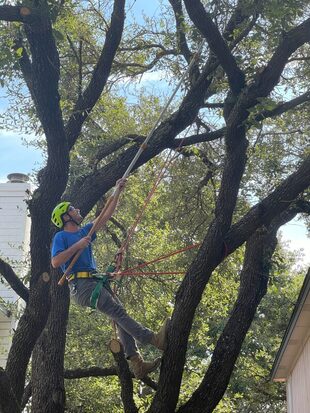 Tree Service can help deal with tree damage after a winter storm
Tree Service in Round Rock and Austin TX can help you deal with tree damage after a Winter storm. Winter storms can wreak havoc on trees, leaving behind a trail of destruction that homeowners must contend with. Whether it's heavy snow, ice accumulation, or strong winds, these weather events can cause branches to break, trunks to split, or even entire trees to topple over. Dealing with tree removal after damage from a winter storm requires careful assessment and planning to ensure safety and minimize further harm to property or individuals.
Tree Removal Techniques and Aftercare After assessing the damage and planning the removal process, it's time to take action to safely remove the damaged tree and address any potential hazards or obstacles. Here are some techniques and considerations for dealing with tree removal after damage from a winter storm: 1. Hire a Professional While DIY tree removal may seem like a cost-effective option, it can be dangerous and is not recommended for trees with extensive damage or those located near structures or power lines. Hiring a professional arborist or tree removal service ensures that the job is done safely and efficiently, minimizing the risk of accidents or further property damage. 2. Use Proper Equipment If you do decide to tackle tree removal on your own, make sure you have the proper equipment and protective gear. Chainsaws, ropes, ladders, and safety harnesses are essential tools for safely removing trees. Wear protective clothing, including gloves, goggles, and a hard hat, to protect yourself from falling debris and other hazards. 3. Practice Safe Cutting Techniques When using a chainsaw to cut down a damaged tree, follow safe-cutting techniques to prevent accidents. Make sure the chainsaw is sharp and well-maintained, and always cut at a slight angle to prevent the trunk from splitting and causing kickback. Cut the tree into manageable sections to facilitate removal and disposal. 4. Dispose of Debris Properly Once the tree has been removed, it's important to dispose of the debris properly. Branches, limbs, and other organic materials can be chipped or composted for mulch or other landscaping purposes. Larger pieces of wood can be salvaged for firewood or disposed of at a designated landfill or recycling center. Avoid burning tree debris unless permitted by local regulations and take care to prevent the spread of invasive pests or diseases. 5. Assess and Address Remaining Trees After removing the damaged tree, take the time to assess the health and stability of any remaining trees on your property. Prune any damaged or weakened branches to reduce the risk of future storm damage, and consider consulting with a professional arborist for advice on tree maintenance and care. Investing in preventive measures such as regular pruning, fertilization, and tree inspections can help protect your property from future storm damage and ensure the health and longevity of your trees. Dealing with tree removal after damage from a winter storm can be a challenging and potentially hazardous task, but with careful assessment, planning, and execution, you can safely remove damaged trees and minimize the risk of further damage to your property. Whether you choose to hire a professional tree removal service or tackle the job yourself, prioritizing safety and proper technique is essential for a successful outcome. Work with the most experienced Tree Service in Round Rock and Austin TX Leaf Tree Services is your locally owned professional tree service with certified arborists for residential and commercial customers in Round Rock, Austin, and surrounding Central Texas areas. You can trust your trees to us. Contact us today to schedule a consultation, at 512-670-6766. 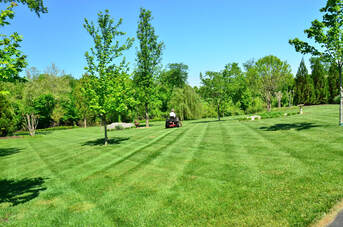 Tree maintenance experts can help you eradicate frozen trees
Tree maintenance in Round Rock and Austin TX can help you deal with frozen trees. Winter transforms landscapes into breathtaking scenes, with snow-covered landscapes and frosted trees painting a picturesque picture. However, behind this beauty lies the reality of the challenges faced by trees during the colder months. Frozen trees are a common sight in winter, and understanding the impact of freezing temperatures on trees is crucial to their well-being. In this first part, we'll delve into the phenomenon of frozen trees and the challenges they face. 1. Why Do Trees Freeze? Trees, like all living organisms, are affected by extreme temperatures. During winter, when temperatures drop below freezing, trees are at risk of freezing. This occurs because water within the tree's cells expands as it freezes, causing damage to cell walls and disrupting essential processes. 2. Effects of Freezing on Trees When trees freeze, several detrimental effects can occur:
3. Species Susceptibility Not all trees are equally susceptible to freezing temperatures. Evergreen trees, such as pines and spruces, are more resilient due to their needle-like leaves and waxy coatings, which help reduce water loss. Deciduous trees, on the other hand, are more vulnerable as they shed their leaves, leaving their branches exposed. 4. Signs of Frozen Trees Identifying frozen trees is essential for timely intervention. Signs include:
How a Tree Service Expert Can Help with Frozen Trees While winter poses challenges for trees, there are ways to mitigate the effects of freezing temperatures with the help of tree service experts. In this second part, we'll explore the role of tree service professionals in caring for frozen trees and preserving their health. 1. Pruning and Trimming One of the most effective methods to prevent winter damage is through proper pruning and trimming. Tree maintenance experts can remove dead or damaged branches before winter, reducing the risk of breakage due to ice accumulation. Strategic pruning also improves air circulation within the canopy, reducing the likelihood of fungal infections. 2. Anti-Desiccant Treatments To protect evergreen trees from winter burns, tree service professionals may apply anti-desiccant sprays. These treatments create a thin, protective layer on the foliage, reducing moisture loss and minimizing damage from freezing temperatures and harsh winds. 3. Structural Support For trees at risk of branch failure due to heavy ice or snow accumulation, tree maintenance experts can provide structural support. This may include cabling or bracing weak branches to prevent them from breaking under the weight of ice or snow, thereby safeguarding the tree's integrity. 4. Soil Care Maintaining healthy soil conditions is crucial for tree survival during winter. Tree service professionals can assess soil moisture levels and recommend appropriate measures to improve drainage and aeration. Mulching around the base of trees also helps insulate roots and retain soil moisture. 5. Emergency Response In cases where trees suffer severe winter damage, prompt intervention is essential. Tree maintenance experts are equipped to handle emergency situations, such as fallen trees or large branches blocking roads or structures. Their expertise and specialized equipment ensure the safe and efficient removal of debris, minimizing further damage. 6. Winter Tree Inspection Before the onset of winter, tree service experts conduct thorough inspections to identify potential risks and vulnerabilities. They assess the overall health and structural integrity of trees, identifying weak branches, signs of disease, and other issues that could worsen during winter. This proactive approach allows for targeted interventions to prevent winter damage. 7. Snow and Ice Removal Heavy snow and ice accumulation can pose significant risks to trees, causing branches to bend or break under the weight. Tree service professionals are trained in safe snow and ice removal techniques, using specialized equipment to carefully dislodge snow and ice from branches without causing further damage. Prompt removal helps alleviate stress on trees and prevents structural failure. 8. Winter Watering While it may seem counterintuitive, trees still require adequate hydration during winter, especially evergreens. Tree service experts can assess soil moisture levels and recommend supplemental watering if necessary, ensuring that trees remain sufficiently hydrated throughout the dormant season. Proper hydration helps trees withstand freezing temperatures and maintain their health and vigor. 9. Disease and Pest Management Winter provides an opportunity for tree service professionals to address underlying issues related to pests and diseases. Many pests and pathogens are dormant during winter but can still pose threats to trees. Tree service experts may apply preventive treatments or recommend cultural practices to mitigate the risk of infestations and infections, safeguarding tree health throughout the winter months. 10. Education and Guidance Beyond providing hands-on care for frozen trees, tree service professionals play a crucial role in educating property owners about winter tree care practices. They offer guidance on how to protect trees from winter damage, such as proper mulching techniques, selecting cold-hardy tree species, and minimizing salt exposure. By empowering property owners with knowledge, tree service experts foster a culture of proactive tree care and stewardship. Frozen trees in winter present unique challenges that require specialized care and expertise. Tree service professionals play a vital role in mitigating the effects of freezing temperatures, preserving tree health, and enhancing the resilience of urban and natural landscapes. Through proactive measures, such as pruning, anti-desiccant treatments, and emergency response, tree service experts ensure that trees thrive even in the most challenging winter conditions. By recognizing the importance of their role and leveraging their knowledge and skills, we can protect and sustain our precious arboreal resources for generations to come. Hire the best tree maintenance services in Round Rock and Austin TX Leaf Tree Services is your locally owned professional tree service with certified arborists for residential and commercial customers in Round Rock, Austin, and surrounding Central Texas areas. You can trust your trees to us. Contact us today to schedule a consultation, at 512-670-6766. 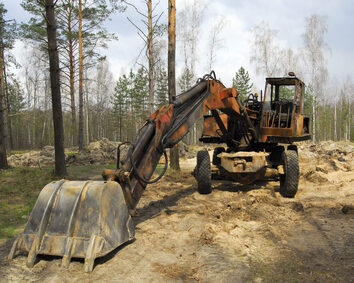 Tree Services professionally maintain your trees
Tree Services in Round Rock and Austin TX can help you take care of trees in your environment. Trees are not only majestic features of nature but also crucial components of our environment. They provide us with oxygen, filter pollutants from the air, and contribute to the overall well-being of our ecosystems. Therefore, it's essential to take proper care of trees to ensure their health and longevity. However, there are several myths surrounding tree care that can lead to misinformation and potentially harm these valuable assets. In this article, we'll debunk some of the most common tree care myths to help you better understand how to care for the trees on your property. Myth 1: Trees Should Be Pruned Only in Spring or Summer One of the most prevalent misconceptions about tree care is that pruning should only be done during the spring or summer months. While it's true that these seasons are generally ideal for pruning because trees are actively growing, it doesn't mean that pruning is off-limits during other times of the year. In reality, different types of trees may benefit from pruning at different times of the year. For example, deciduous trees are often pruned during the dormant season, which occurs in late fall or winter when the tree has shed its leaves. Pruning during this time can help promote healthy growth in the spring by removing dead or diseased branches. Additionally, some tree species are best pruned after they have flowered to avoid cutting off potential blooms. Understanding the specific needs of your trees and consulting with a certified arborist can help determine the best time for pruning. Myth 2: Newly Planted Trees Require Regular Staking Many people believe that newly planted trees need to be staked to provide support and stability while they establish roots. While staking may be necessary in certain situations, such as in windy areas or with top-heavy trees, it's not always required and can even be detrimental if done incorrectly. In fact, excessive staking can prevent trees from developing strong root systems and can lead to dependency on the stakes for support. It's essential to assess the individual needs of each tree and only stake when absolutely necessary. When staking is required, it's crucial to use proper techniques and materials to avoid causing damage to the tree. Stakes should be placed outside the root ball and loosely secured to allow for movement, which encourages the tree to develop strength and stability on its own. Myth 3: Topping Trees Helps Them Grow Better Topping, also known as hat-racking or rounding over, is the practice of indiscriminately cutting back large branches to reduce the height or spread of a tree. Some people mistakenly believe that topping trees can help them grow better or control their size, but this couldn't be further from the truth. In reality, topping is extremely harmful to trees and can lead to a host of problems, including:
Instead of topping, proper pruning techniques should be used to selectively remove branches and maintain the tree's natural form and structure. This not only preserves the health and integrity of the tree but also enhances its aesthetic appeal and overall value. Myth 4: Adding Mulch Against the Tree Trunk Causes Harm Mulching around the base of trees is a common practice that offers numerous benefits, such as conserving moisture, suppressing weeds, and improving soil structure. However, there is a misconception that placing mulch directly against the tree trunk can cause harm by promoting disease or rot. In reality, properly applied mulch can protect the tree's trunk and roots from damage and stress. Mulch acts as a buffer against temperature extremes, helps retain moisture in the soil, and reduces competition from weeds and grass. To avoid potential problems, such as moisture buildup and rot, mulch should be applied in a shallow layer (2-4 inches) and kept several inches away from the tree trunk. This allows for proper air circulation and prevents the trunk from becoming overly moist, which can attract pests and promote disease. Additionally, it's important to use organic mulch, such as wood chips or shredded bark, as opposed to inorganic materials like rubber or plastic. Organic mulches break down over time, enriching the soil and providing nutrients to the tree, while inorganic mulches can hinder soil health and drainage. By debunking these common tree care myths, you can better understand how to properly care for the trees on your property and promote their health and longevity. Remember to consult with a certified arborist for expert advice and guidance tailored to your specific trees and landscape. In Part 2 of this article, we'll continue to explore more myths and misconceptions surrounding tree care. Myth 5: Trees Can "Heal" Themselves After Injury It's a common belief that trees have the ability to "heal" themselves after sustaining injuries, such as cuts or wounds from pruning, storms, or other environmental factors. While trees do have mechanisms for compartmentalizing damaged areas and defending against pathogens, they cannot regenerate tissue in the same way that animals do. When a tree is injured, it forms a protective barrier around the wound through a process called compartmentalization. This barrier helps to prevent the spread of decay and pathogens within the tree's vascular system but does not repair the damaged tissue. As a result, the wound will remain visible on the tree for its entire lifespan. Proper pruning techniques can help minimize the size and impact of wounds on trees, but it's essential to understand that pruning cannot undo damage that has already occurred. Prevention is key when it comes to minimizing injury to trees, so it's important to hire trained professionals and practice proper tree care techniques. If you're unsure about how to care for the trees on your property or have questions about tree care practices, don't hesitate to seek guidance from a certified arborist or tree care professional. Their expertise and experience can help you make informed decisions and maintain healthy, beautiful trees for years to come. Work with the best tree Services in Round Rock and Austin TX Leaf Tree Services is your locally owned professional tree service with certified arborists for residential and commercial customers in Round Rock, Austin, and surrounding Central Texas areas. You can trust your trees to us. Contact us today to schedule a consultation, at 512-670-6766.  Arborist can help maintain the health and aesthetics of your trees
Arborists in Round Rock and Austin TX can help you care for your trees professionally. When it comes to maintaining the health and aesthetics of your trees, hiring an arborist is a crucial decision. Trees are valuable assets to your property, providing shade, beauty, and environmental benefits. However, improper care or neglect can lead to their decline or even pose safety hazards. In the sprawling landscapes of Texas, where a diverse range of tree species thrive, choosing the right arborist requires careful consideration. Here are some essential factors to keep in mind: 1. Certification and Credentials: First and foremost, ensure that the arborist you're considering is certified by a reputable organization such as the International Society of Arboriculture (ISA). ISA certification demonstrates that the arborist has the necessary knowledge, skills, and experience to care for trees properly. Additionally, inquire about any relevant licenses and insurance. Texas-specific certifications or memberships in local arboricultural associations can also indicate a commitment to professionalism and ongoing education. 2. Experience and Expertise: Experience matters when it comes to tree care. Look for arborists who have been in the industry for several years and have a track record of successfully handling various tree-related issues. An experienced arborist will be familiar with the local tree species, common diseases and pests, and the best practices for tree care in the Texas climate. They should also have expertise in techniques such as pruning, tree removal, and tree health assessments. 3. Reputation and Reviews: Before hiring an arborist, take the time to research their reputation in the community. Online reviews, testimonials from past clients, and word-of-mouth recommendations can provide valuable insights into the quality of their work and customer service. Look for arborists who have consistently positive feedback and a reputation for professionalism, reliability, and honesty. Avoid hiring anyone with numerous negative reviews or unresolved complaints. 4. Services Offered: Tree care encompasses a wide range of services, from routine maintenance like pruning and fertilization to more specialized tasks like tree risk assessments and emergency storm damage response. Consider your specific needs and make sure the arborist you choose offers the services you require. Ideally, opt for a full-service arborist who can handle all aspects of tree care to ensure comprehensive and integrated management of your trees' health and well-being. 5. Safety Practices: Safety should always be a top priority when hiring an arborist. Inquire about the safety protocols and equipment they use to protect themselves, your property, and the surrounding environment during tree work. A reputable arborist will adhere to industry safety standards and regulations, such as those set forth by the Occupational Safety and Health Administration (OSHA). They should also carry adequate insurance coverage to protect against any potential accidents or damages. 6. Local Knowledge and Understanding: Texas's diverse climate and soil conditions can significantly impact the health and growth of trees. When selecting an arborist, seek someone familiar with the specific environmental factors affecting trees in your region. Local knowledge enables the arborist to recommend appropriate tree species, planting techniques, and care practices tailored to the Texas landscape, ensuring optimal results and longevity for your trees. 7. Transparent Pricing and Contracts: Before engaging an arborist, request a detailed estimate for the proposed work, including all associated costs and potential additional fees. A reputable arborist will provide transparent pricing and clearly outline the scope of services covered in the contract. Be wary of any arborist who offers significantly lower prices than their competitors, as it may indicate subpar workmanship or hidden costs. Review the contract carefully and ensure that both parties agree on the terms and conditions before proceeding. Why Choose Leaf Tree Services in Texas? When it comes to hiring an arborist in Texas, Leaf Tree Services stands out as a top choice for comprehensive tree care solutions. With a commitment to excellence, professionalism, and customer satisfaction, Leaf Tree Services offers a range of specialized services tailored to meet the diverse needs of property owners throughout the Texas area. Here are several compelling reasons why Leaf Tree Services should be your go-to arborist: 1. Expertise and Experience: Leaf Tree Services boasts a team of highly skilled and experienced arborists who possess extensive knowledge of Texas's native tree species, climate conditions, and environmental factors. With years of hands-on experience in tree care, pruning, removal, and maintenance, their arborists are equipped to handle even the most challenging tree-related issues with precision and expertise. 2. Certified Arborists: At Leaf Tree Services, professionalism and qualifications are paramount. Their team includes ISA-certified arborists who have undergone rigorous training and testing to demonstrate their proficiency in arboriculture. This certification ensures that customers receive expert advice and quality tree care services backed by industry best practices and standards. 3. Comprehensive Services: Leaf Tree Services offers a wide range of tree care services to address all aspects of tree management, from routine maintenance to emergency tree removal. Whether you need tree trimming, pruning, stump grinding, tree health assessments, or storm damage cleanup, Leaf Tree Services has the expertise and resources to handle it all efficiently and effectively. 4. Cutting-Edge Equipment and Techniques: To deliver superior results, Leaf Tree Services utilizes state-of-the-art equipment and advanced techniques in tree care and maintenance. From specialized pruning tools to modern tree removal equipment, they employ the latest innovations to ensure safe, efficient, and minimally invasive tree work that prioritizes the health and longevity of your trees. 5. Commitment to Safety and Environmental Responsibility: Leaf Tree Services places a high priority on safety and environmental stewardship in all aspects of their work. Their arborists adhere to strict safety protocols and guidelines to protect both people and property during tree operations. Additionally, they employ eco-friendly practices and strive to minimize waste by recycling tree debris and promoting sustainable tree care practices that contribute to the preservation of Texas's natural beauty. 6. Transparent Pricing and Excellent Customer Service: Leaf Tree Services prides itself on providing transparent pricing and exceptional customer service from start to finish. They offer detailed estimates upfront, ensuring that customers are fully informed about the cost and scope of services before any work begins. Their friendly and knowledgeable staff are always available to answer questions, address concerns, and provide personalized recommendations to meet your specific tree care needs. 7. Positive Reputation and Satisfied Customers: With a strong reputation for quality workmanship, reliability, and professionalism, Leaf Tree Services has earned the trust and loyalty of countless satisfied customers across Texas. Their commitment to excellence and customer satisfaction is reflected in numerous positive reviews and testimonials from homeowners, property managers, and businesses who have experienced firsthand the superior tree care services provided by Leaf Tree Services. In conclusion, Leaf Tree Services stands out as a premier choice for professional tree care in Texas, offering expertise, experience, comprehensive services, state-of-the-art equipment, commitment to safety and environmental responsibility, transparent pricing, and excellent customer service. Whether you need routine tree maintenance or emergency tree removal, you can trust Leaf Tree Services to deliver outstanding results and exceed your expectations every time. Hire the most experienced arborist in Round Rock and Austin TX Leaf Tree Services is your locally owned professional tree service with certified arborists for residential and commercial customers in Round Rock, Austin, and surrounding Central Texas areas. You can trust your trees to us. Contact us today to schedule a consultation, at 512-670-6766. |
About UsLeaf Tree Services has provided professional tree care services in Austin and surrounding Central Texas communities for over 20 years. Archives
April 2024
Categories
All
|

 RSS Feed
