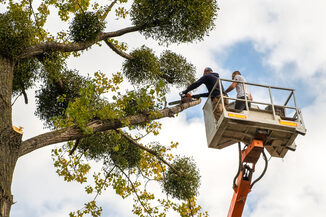
 Tree care can help maintain trees with damaged bark
Tree care in Round Rock and Austin TX can help treat trees with damaged bark. Trees are invaluable assets, providing us with shade, oxygen, and beauty. However, they are susceptible to damage, particularly to their bark, which serves as their protective outer layer. Damaged bark not only compromises the tree's health but also leaves it vulnerable to diseases, pests, and decay. Understanding how to treat damaged bark is crucial for maintaining the health and longevity of trees in our landscapes. In this article, we will explore the top tips for treating damaged bark on trees. 1. Identifying Types of Bark Damage Before delving into treatment methods, it's essential to recognize the different types of bark damage:
2. Importance of Prompt Action Addressing damaged bark promptly is crucial for the tree's recovery. Leaving wounds untreated can invite pests and pathogens, exacerbating the problem and potentially leading to the tree's decline or death. Therefore, once damage is noticed, immediate action is recommended to mitigate further harm and promote healing. 3. Avoiding Common Mistakes Before discussing treatment options, it's essential to highlight some common mistakes to avoid when dealing with damaged bark:
4. Consulting a Professional In cases of severe or extensive bark damage, it's advisable to seek assistance from a certified arborist or tree care professional. They can assess the extent of the damage, provide expert advice, and perform any necessary treatments with precision and care. Effective Treatment Methods for Damaged Bark We’ve discussed the importance of identifying and understanding the various types of bark damage, as well as the significance of prompt action and avoiding common mistakes. Now, let's delve into effective treatment methods for addressing damaged bark on trees.
In conclusion, treating damaged bark on trees requires a combination of vigilance, proper technique, and timely intervention. By understanding the types of bark damage, taking prompt action, and employing effective treatment methods, we can help ensure the health and longevity of our valuable tree assets. Remember to always prioritize the well-being of the tree and consult with professionals when needed to achieve the best possible outcomes. Hire the best tree care in Round Rock and Austin TX Leaf Tree Services is your locally owned professional tree service with certified arborists for residential and commercial customers in Round Rock, Austin, and surrounding Central Texas areas. You can trust your trees to us. Contact us today to schedule a consultation, at 512-670-6766.
0 Comments
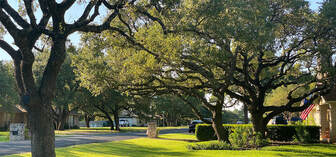 Tree care services can help treat unhealthy trees
Tree care services in Round Rock and Austin TX can help you note an unhealthy tree and treat it. Trees are not only essential for maintaining the ecological balance but also contribute significantly to the aesthetic appeal of our surroundings. However, like any living organism, trees can fall victim to various ailments that can compromise their health and longevity. Recognizing the signs of an unhealthy tree is crucial for prompt intervention to prevent further decline and potential hazards. Here are some common indicators of tree distress:
How Tree Care Experts Can Help Resolve Tree Health Issues Maintaining the health and vitality of trees requires expertise, experience, and a comprehensive understanding of arboriculture principles. Tree care professionals play a crucial role in diagnosing, treating, and mitigating tree health issues to ensure the long-term well-being of our green companions. Here's how these experts can help resolve common tree health concerns:
In conclusion, proactive tree care and timely intervention by qualified professionals are essential for maintaining vibrant, healthy trees in our urban and suburban landscapes. By recognizing the signs of tree distress and enlisting the expertise of tree care specialists, we can preserve the beauty, ecological value, and safety of our cherished arboreal assets for generations to come. Hire the best tree care services in Round Rock and Austin TX Leaf Tree Services is your locally owned professional tree service with certified arborists for residential and commercial customers in Round Rock, Austin, and surrounding Central Texas areas. You can trust your trees to us. Contact us today to schedule a consultation, at 512-670-6766. 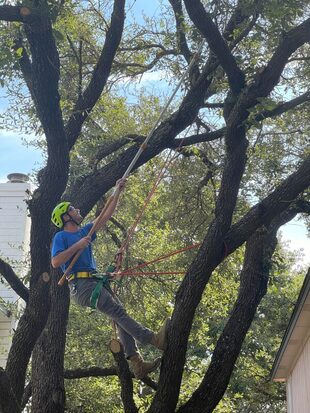 Tree service can help keep your property in the best condition
Tree service in Round Rock and Austin TX can help keep your property looking impressive. Trees are not merely decorative elements of our landscapes; they are vital contributors to the health and well-being of our communities and the planet. Recognizing their ecological, social, and economic significance, many cities, including Round Rock and Austin, have implemented measures to protect certain tree species from indiscriminate removal. These protected trees, often designated based on size, species, or historical significance, play a crucial role in maintaining biodiversity, mitigating climate change, and enhancing the quality of urban life. In this article, we explore the protected trees in Round Rock and Austin, delving into the regulations, species diversity, and conservation efforts aimed at preserving these invaluable natural assets. Understanding the importance of protected trees is not only essential for compliance with local ordinances but also for fostering a deeper appreciation for the invaluable role trees play in shaping our environment and sustaining life on Earth. Protected Trees in Round Rock Round Rock, Texas, boasts a rich natural landscape characterized by its diverse array of trees. To maintain the ecological balance and preserve the city's natural beauty, Round Rock has implemented regulations to protect certain tree species. Understanding which trees are protected is essential for residents and developers alike to ensure responsible land management and sustainable growth. One of the primary ordinances governing tree protection in Round Rock is the Tree Preservation Ordinance. This ordinance aims to conserve and enhance the city's urban forest by safeguarding significant trees from indiscriminate removal. Significant trees are typically those with specific size and species criteria, as outlined in the ordinance. In Round Rock, protected trees often include native species like Live Oaks (Quercus virginiana), Cedar Elms (Ulmus crassifolia), and Texas Persimmons (Diospyros texana). The criteria for determining significant trees may vary based on factors such as trunk diameter, canopy size, and species. For instance, Live Oaks with a trunk diameter exceeding 19 inches at breast height (DBH) are considered significant and protected under the ordinance. Similarly, Cedar Elms with a DBH of 24 inches or more fall under this category. These regulations aim to conserve mature trees that contribute significantly to the city's ecosystem and aesthetic appeal. Furthermore, Round Rock encourages the preservation of heritage trees, which are distinguished by their exceptional size, age, or historical significance. Heritage trees play a vital role in maintaining biodiversity and providing habitat for wildlife. By protecting these trees, the city prioritizes the conservation of its natural heritage and ensures a sustainable environment for future generations. In addition to specific species and size criteria, Round Rock's Tree Preservation Ordinance also regulates the removal and mitigation of protected trees during land development projects. Developers are required to obtain permits and adhere to mitigation measures, such as replanting trees or contributing to the city's tree fund, to offset the loss of protected trees. This approach promotes responsible development practices that balance economic growth with environmental stewardship. Overall, Round Rock's commitment to tree preservation reflects its dedication to sustainable urban planning and environmental conservation. By protecting significant and heritage trees, the city not only safeguards its natural resources but also enhances the quality of life for its residents. Protected Trees in Austin Austin, often referred to as the "City of Trees," is renowned for its lush greenery and scenic landscapes. With an abundance of tree species adorning its streets and parks, Austin places great emphasis on tree preservation to maintain its ecological integrity and unique character. Understanding which trees are protected in Austin is crucial for residents, developers, and environmental advocates alike. Similar to Round Rock, Austin has established ordinances and regulations to safeguard its tree canopy and promote sustainable development. The city's Tree Preservation Ordinance, administered by the Development Services Department, sets forth guidelines for the protection, removal, and mitigation of trees on both public and private properties. Under this ordinance, certain tree species are designated as protected, with stringent regulations governing their management and conservation. In Austin, protected trees encompass a diverse range of species, including iconic favorites like Pecan (Carya illinoinensis), Texas Ash (Fraxinus texensis), and Texas Redbud (Cercis canadensis var. texensis). These native trees contribute to the city's biodiversity and provide essential habitat for wildlife, making their preservation a top priority for environmental sustainability. The criteria for identifying protected trees in Austin are multifaceted, taking into account factors such as species rarity, size, and ecological significance. Heritage trees, in particular, hold a special status in Austin's tree preservation efforts. These majestic specimens, often centuries-old, serve as living monuments to the city's history and natural heritage. Austin's Tree Preservation Ordinance provides special protections for heritage trees, requiring permits and stringent mitigation measures for their removal or disturbance. Furthermore, Austin's Urban Forestry Program actively promotes tree planting and maintenance initiatives to enhance the city's urban canopy and mitigate the urban heat island effect. Through partnerships with community organizations and private landowners, the city aims to increase tree cover and improve air quality for residents across Austin. In recent years, Austin has intensified its focus on climate resilience and green infrastructure, recognizing the crucial role of trees in mitigating the impacts of climate change. By protecting and expanding its urban forest, Austin seeks to mitigate flooding, reduce heat stress, and enhance overall resilience to environmental challenges. Moreover, Austin's tree preservation efforts extend beyond regulatory measures to encompass community engagement and education initiatives. The city organizes tree-planting events, workshops, and educational outreach programs to raise awareness about the importance of trees and empower residents to become stewards of their urban forests. Through these efforts, Austin fosters a culture of environmental responsibility and collective action, encouraging residents to actively participate in tree conservation efforts. Additionally, Austin's commitment to tree preservation aligns with broader sustainability goals outlined in initiatives such as the Austin Climate Equity Plan and the Urban Forest Master Plan. These strategic documents outline strategies to enhance the city's resilience to climate change, promote equity in access to green spaces, and prioritize tree planting and maintenance in underserved communities. By integrating tree preservation into larger policy frameworks, Austin demonstrates its holistic approach to sustainable development and environmental justice. In conclusion, Austin's commitment to tree preservation underscores its dedication to sustainability, biodiversity, and environmental stewardship. By protecting and nurturing its diverse tree species, the city ensures a greener, healthier future for generations to come. Hire the best tree service in Round Rock and Austin TX Leaf Tree Services is your locally owned professional tree service with certified arborists for residential and commercial customers in Round Rock, Austin, and surrounding Central Texas areas. You can trust your trees to us. Contact us today to schedule a consultation, at 512-670-6766. 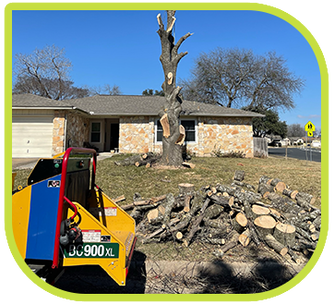 Tree maintenance can help property managers keep your property looking good
Tree maintenance in Round Rock and Austin TX can help keep your property looking vibrant. When it comes to property ownership and management, there are various rights and responsibilities that homeowners need to be aware of. Among these is the issue of tree cutting, which can be a contentious topic in many communities, including Austin, Texas. Whether you're looking to clear space for development, mitigate potential hazards, or simply prune back overgrown foliage, it's essential to understand the rules and regulations governing tree removal on your property. The Importance of Trees Before delving into the legalities of tree cutting in Austin, it's important to acknowledge the significance of trees. Trees provide numerous environmental, social, and economic benefits to communities. They improve air quality, reduce noise pollution, enhance property values, and offer habitat for wildlife. Additionally, trees contribute to the overall aesthetic appeal of neighborhoods and can even help mitigate the effects of climate change by absorbing carbon dioxide. Regulations Governing Tree Removal In Austin, as in many other cities, there are regulations in place to protect trees and preserve the urban canopy. These regulations are designed to balance the rights of property owners with the broader interests of the community in maintaining a healthy and sustainable environment. Understanding these regulations is crucial before undertaking any tree-cutting activities on your property. Tree Ordinance One of the primary regulations governing tree removal in Austin is the City's Tree Ordinance. This ordinance applies to both public and private property within the city limits and outlines the requirements and procedures for tree preservation and removal. It categorizes trees based on their size and species and establishes guidelines for when a permit is required for tree removal. Protected Trees Austin's Tree Ordinance designates certain trees as "protected," meaning they are subject to additional regulations and permitting requirements for removal. Protected trees typically include those of a certain size or species deemed significant for their environmental or aesthetic value. Common examples of protected trees in Austin include live oaks, pecans, and sycamores. Tree Permitting Process If you're considering cutting down a tree on your property in Austin, the first step is to determine whether a permit is required. In general, permits are necessary for the removal of protected trees, as well as for certain activities like significant pruning or root cutting. The permitting process typically involves submitting an application to the City's Development Services Department and obtaining approval before proceeding with tree removal. Assessment and Approval As part of the permitting process, property owners may need to provide documentation demonstrating the need for tree removal, such as evidence of disease, damage, or hazardous conditions. City officials will review the application and assess whether the proposed removal complies with the Tree Ordinance and other applicable regulations. If approved, the property owner will receive a permit allowing them to proceed with tree-cutting activities. Penalties for Non-Compliance It's important to note that failure to comply with the City's Tree Ordinance can result in significant penalties, including fines and legal action. Property owners who unlawfully remove trees or violate the terms of their permits may be subject to enforcement actions by the City, which could result in financial consequences and requirements for tree replacement or mitigation. Tree Preservation and Alternatives While property owners in Austin have the right to manage trees on their land, it's essential to consider alternatives to outright removal whenever possible. Preservation and maintenance should be prioritized whenever feasible to maximize the benefits of trees and minimize the negative impacts of their removal. Tree Preservation Techniques There are various techniques available to property owners for preserving and maintaining trees on their property. These may include routine pruning to remove dead or diseased branches, mulching to improve soil health and moisture retention, and fertilization to promote healthy growth. Consulting with a certified arborist can help determine the best course of action for managing trees on your property. Tree Replanting and Replacement In cases where tree removal is unavoidable, replanting and replacement efforts can help mitigate the loss of canopy cover and ecosystem services. Austin's Tree Ordinance may require property owners to plant new trees to compensate for those that are removed, either on-site or through contributions to a tree mitigation fund. Selecting native or drought-tolerant species can help ensure the long-term success and sustainability of replanting efforts. Community Resources and Support Property owners in Austin can also take advantage of various resources and support services available to help manage trees on their property. The City offers educational workshops, tree planting programs, and assistance with tree care and maintenance. Additionally, there are nonprofit organizations and community groups dedicated to tree advocacy and conservation that can provide guidance and support. In conclusion, while property owners in Austin have the right to cut down trees on their land, it's essential to understand and comply with the regulations governing tree removal in the city. By following the requirements outlined in the Tree Ordinance and considering alternatives to removal whenever possible, homeowners can help preserve and protect Austin's urban canopy for future generations to enjoy. Additionally, investing in tree preservation and replanting efforts can contribute to the overall health and sustainability of the community, ensuring that Austin remains a vibrant and green city for years to come. Hire the best tree maintenance expert in Round Rock and Austin TX Leaf Tree Services is your locally owned professional tree service with certified arborists for residential and commercial customers in Round Rock, Austin, and surrounding Central Texas areas. You can trust your trees to us. Contact us today to schedule a consultation, at 512-670-6766. 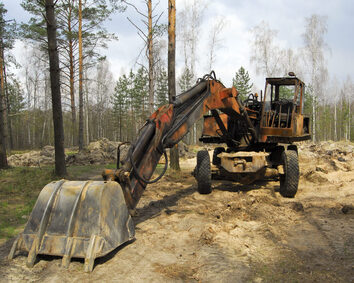 Tree Services can expertly remove tree stumps
Tree Services in Round Rock and Austin TX can help you remove stumps. Tree stump removal is a crucial aspect of landscaping and land maintenance. Whether you're a homeowner looking to reclaim space in your yard or a property developer planning a construction project, knowing what goes into a tree stump removal job is essential for effective planning and execution. 1. Assessment and Planning Before diving into the removal process, it's vital to assess the situation and plan accordingly. Factors such as the size of the stump, its location, the surrounding landscape, and any potential obstacles must be considered. Assessing these elements helps determine the most suitable removal method and ensures safety and efficiency throughout the process. 2. Choosing the Removal Method Several methods are commonly used for tree stump removal, each with its advantages and considerations:
3. Safety Precautions Regardless of the removal method chosen, safety should always be a top priority. Tree stump removal can involve powerful machinery and tools, so proper safety precautions must be taken to prevent accidents and injuries. This includes wearing appropriate personal protective equipment (PPE), such as gloves, eye protection, and steel-toed boots, as well as ensuring that the work area is clear of bystanders and obstacles. Execution and Aftercare With careful planning and the right approach, executing a tree stump removal job can be a smooth and efficient process. However, proper aftercare is also essential to ensure the long-term success of the removal and prevent issues such as regrowth or soil erosion. 1. Execution of Removal Once the removal method has been chosen and safety precautions are in place, the actual removal process can begin:
2. Aftercare and Restoration After the stump has been removed, it's essential to take steps to restore the area and prevent any issues from arising:
3. Environmental Considerations In addition to the practical aspects of tree stump removal, it's important to consider the environmental impact of the process:
By incorporating these environmental considerations into the tree stump removal process, homeowners and property developers can ensure that their actions have a minimal impact on the environment while still achieving their landscaping goals. Taking a proactive approach to environmental stewardship benefits both the immediate surroundings and the broader ecosystem for years to come. Hire the best tree services in Round Rock and Austin TX Leaf Tree Services is your locally owned professional tree service with certified arborists for residential and commercial customers in Round Rock, Austin, and surrounding Central Texas areas. You can trust your trees to us. Contact us today to schedule a consultation, at 512-670-6766. 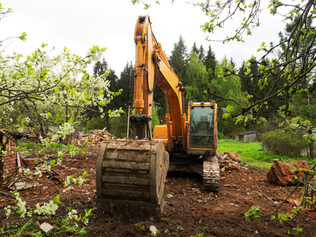 Arborist can help property managers maintain trees
An arborist in Round Rock and Austin TX can help property managers take care of trees. Property management in Austin, TX, entails a myriad of responsibilities, from maintaining the structural integrity of buildings to ensuring the aesthetics of the landscape. Amidst these duties, one crucial aspect that often requires specialized attention is the care and maintenance of trees. Trees not only enhance the visual appeal of a property but also contribute to its overall value and environmental sustainability. In this article, we delve into the significance of hiring an arborist for property managers in Austin, TX, and how their expertise can positively impact the management of green spaces within properties. 1. Expertise in Tree Care and Maintenance Arborists are trained professionals with expertise in the care and maintenance of trees. They possess comprehensive knowledge of tree biology, diseases, pruning techniques, and proper maintenance practices. When property managers enlist the services of an arborist, they gain access to specialized knowledge that ensures the health and longevity of the trees on their properties. With Austin's unique climate and diverse tree species, this expertise becomes invaluable in preserving the vitality of the urban forest. 2. Risk Assessment and Mitigation Trees, if not properly maintained, can pose significant risks to property and occupants. Dead branches, diseased trees, and structural defects are common issues that may compromise safety. Arborists are trained to assess these risks and develop strategies to mitigate them effectively. By conducting regular inspections and implementing appropriate measures, arborists help property managers identify and address potential hazards proactively, thus reducing the risk of property damage and personal injury. 3. Preservation of Tree Health and Beauty Maintaining the health and beauty of trees is essential for enhancing the overall appeal of a property. Arborists employ various techniques, such as pruning, fertilization, and pest management, to ensure optimal tree health and vitality. In Austin's urban environment, where trees face numerous challenges, including drought, pests, and diseases, the expertise of an arborist is indispensable in preserving the beauty and ecological value of the landscape. 4. Compliance with Local Regulations Austin, TX, like many other cities, has regulations governing the preservation and management of trees. Property managers must comply with these regulations to avoid legal issues and fines. Arborists are well-versed in local tree ordinances and can assist property managers in navigating regulatory requirements. Whether obtaining permits for tree removal or implementing tree preservation plans for development projects, arborists ensure that property managers remain in compliance with the law while promoting sustainable tree management practices. 5. Long-Term Investment in Property Value Trees are long-term investments that contribute to the overall value of a property. Well-maintained trees not only enhance curb appeal but also provide numerous economic, environmental, and social benefits. By investing in professional tree care services provided by arborists, property managers safeguard their investments and enhance the desirability of their properties. Additionally, healthy trees can increase property values, attract tenants, and foster a sense of community pride. Services Offered by Arborists and Benefits for Property Managers in Austin TX Now that we've established the importance of hiring an arborist for property managers in Austin, TX, let's delve deeper into the specific services offered by these professionals and the corresponding benefits for property management.
Hiring an arborist is a wise investment for property managers in Austin, TX, seeking to effectively manage and maintain the trees on their properties. From expert tree care and risk mitigation to landscape design and sustainability initiatives, arborists offer a range of services that contribute to the health, beauty, and value of urban landscapes. By partnering with arborists, property managers can ensure the long-term vitality of their properties while fulfilling their stewardship responsibilities to the community and the environment. Hire the best-rated arborist in Round Rock and Austin TX Leaf Tree Services is your locally owned professional tree service with certified arborists for residential and commercial customers in Round Rock, Austin, and surrounding Central Texas areas. You can trust your trees to us. Contact us today to schedule a consultation, at 512-670-6766. 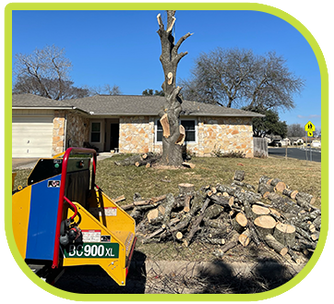 Tree maintenance experts can help you know how to prune
Tree maintenance experts in Round Rock and Austin TX can help you improve your landscape. Tree pruning is a fundamental practice in arboriculture, serving as a cornerstone for maintaining the health, aesthetics, and safety of trees. While it may seem like a straightforward task, proper pruning requires knowledge of tree biology, growth patterns, and pruning techniques. In this article, we delve into the basics of tree pruning as an essential practice for tree maintenance.
Key Principles and Techniques of Tree Pruning While the benefits of tree pruning are clear, achieving desired outcomes requires adherence to key principles and techniques. Understanding these fundamentals is essential for effectively managing tree growth and health through pruning practices.
In conclusion, tree pruning is a critical practice for maintaining the health, aesthetics, and safety of trees in urban and natural environments. By understanding the importance of pruning, adhering to key principles and techniques, and considering the unique characteristics of tree species, arborists and homeowners can effectively manage tree growth and promote the long-term vitality of their landscapes. Hire the best tree maintenance experts in Round Rock and Austin TX Leaf Tree Services is your locally owned professional tree service with certified arborists for residential and commercial customers in Round Rock, Austin, and surrounding Central Texas areas. You can trust your trees to us. Contact us today to schedule a consultation, at 512-670-6766. 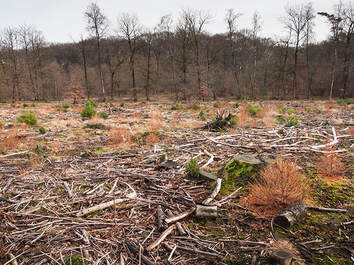 Land clearing experts can help you understand the entire process
Land clearing in Round Rock and Austin TX can help you understand all you need to know about the process. This is an essential aspect of property management and development. Whether you're preparing a site for construction, agricultural purposes, or reclaiming overgrown land, the process involves removing vegetation, trees, rocks, and other obstacles from the area. At Leaf Tree Services, we understand the importance of clearing and have compiled a list of frequently asked questions to help you better understand the process. 1. What is Land Clearing? This refers to the removal of vegetation, trees, debris, and other obstacles from a designated area of land. This process is typically done to prepare the land for various purposes, including construction, agriculture, landscaping, and fire prevention. 2. Why is Land Clearing Necessary? This is necessary for several reasons. Firstly, it creates space for development projects such as building construction, roadways, or agricultural fields. Secondly, it helps improve land usability by removing overgrown vegetation and invasive species. Additionally, clearing can enhance property aesthetics and increase property value. 3. What Methods are Used for Land Clearing? There are several methods used for clearing, depending on the size of the area, the type of vegetation, and the intended land use. Some common methods include:
Each method has its advantages and is chosen based on the specific requirements of the project. 4. Is Land Clearing Harmful to the Environment? While it can have environmental impacts, such as habitat disruption and soil erosion, it can be done responsibly to minimize these effects. At Leaf Tree Services, we prioritize sustainable land management practices and take measures to minimize environmental damage during the clearing process. This may include selective clearing to preserve native vegetation, erosion control measures, and reforestation efforts. 5. How Long Does Land Clearing Take? The duration of clearing depends on various factors, including the size of the area, the density of vegetation, and the chosen clearing method. Small-scale clearing projects may be completed in a matter of days, while larger projects may take weeks or even months to complete. Our team at Leaf Tree Services works efficiently to complete projects promptly while ensuring quality results. 6. What Happens to the Cleared Vegetation? After vegetation is cleared from the land, it can be repurposed or disposed of in several ways. In some cases, the cleared vegetation may be chipped or mulched and used for landscaping, erosion control, or biomass energy production. Alternatively, it may be transported to a designated disposal site for composting or landfilling. 7. Do I Need Permits for Land Clearing? The need for permits for clearing varies depending on local regulations and the scale of the project. In some areas, minor clearing activities may not require permits, while larger-scale projects may necessitate environmental assessments and permits from local authorities. It's essential to consult with a professional land-clearing service like Leaf Tree Services to ensure compliance with all applicable regulations. 8. How Much Does Land Clearing Cost? The cost of this depends on several factors, including the size of the area, the complexity of the terrain, the chosen clearing method, and any additional services required. At Leaf Tree Services, we provide competitive pricing tailored to each project's specific requirements. We offer free consultations and estimates to help our clients understand the costs involved upfront. 9. Can Land Clearing Services Remove Stumps and Roots? Yes, many of this services, including Leaf Tree Services, offer stump and root removal as part of their services. Stump grinding or excavation equipment is used to remove stumps and roots from the cleared area, ensuring a clean and level surface for further development or landscaping. 10. How Can I Schedule a Land Clearing Service? Scheduling a land-clearing service with Leaf Tree Services is easy! Simply contact us through our website or give us a call to discuss your project requirements and schedule a consultation. Our experienced team will assess your needs, provide personalized recommendations, and work with you to develop a plan that meets your goals and budget. 11. What measures are taken to prevent erosion during land clearing? Erosion control is a crucial aspect of clearing to prevent soil loss and maintain environmental stability. Techniques such as installing silt fences, erosion control blankets, and vegetative stabilization using grasses or ground cover can help mitigate erosion risks during and after the clearing process. 12. Are there any alternatives to traditional land-clearing methods? Innovative techniques such as low-impact clearing, which minimizes disturbance to the soil and surrounding vegetation, are gaining popularity in environmentally sensitive areas. Additionally, advancements in technology have led to the development of specialized equipment and methods designed to reduce the ecological footprint of land-clearing operations. 13. What are the long-term effects of land clearing? While this is necessary for various purposes, it can have long-term impacts on ecosystems, including habitat loss, soil degradation, and changes in water flow patterns. Implementing restoration measures such as reforestation, soil stabilization, and habitat enhancement can help mitigate these effects and promote ecological resilience over time. 14. Can land clearing improve property value? Properly executed land-clearing projects can enhance the aesthetic appeal, functionality, and marketability of properties by creating usable space, improving access, and enhancing views. However, it's essential to consider the potential impacts on natural features, such as mature trees and wildlife habitats, and balance development goals with environmental conservation efforts. 15. What ongoing maintenance is required after land clearing? Depending on the intended use of the cleared land, ongoing maintenance may be necessary to control vegetation regrowth, manage erosion, and preserve soil health. Regular inspections, monitoring, and maintenance activities such as mowing, mulching, and replanting can help sustain the benefits of clearing in the long term. Hire the best-rated land-clearing experts in Round Rock and Austin TX Leaf Tree Services is your locally owned professional tree service with certified arborists for residential and commercial customers in Round Rock, Austin, and surrounding Central Texas areas. You can trust your trees to us. Contact us today to schedule a consultation, at 512-670-6766.  Tree care experts can help maintain trees all year round
Tree care in Round Rock and Austin TX can help maintain your trees all year round. As the seasons change, so do the needs of our trees. Each phase of the year presents unique challenges and opportunities for tree care. In this article, we'll explore how tree care needs evolve across the seasons. Spring: A Time for Renewal As the winter chill begins to fade away, spring breathes new life into the natural world. Trees, emerging from dormancy, start to show signs of growth. However, this transition period requires careful attention from tree owners to ensure the health and vitality of their green companions.
Summer: Nurturing Through the Heat As summer sets in with its longer days and warmer temperatures, trees face the challenge of conserving moisture and withstanding heat stress. Tree care during this season focuses on providing support and protection to help trees thrive in the summer heat.
By understanding and addressing the evolving needs of trees throughout spring and summer, tree owners can nurture healthy, resilient specimens that enhance the beauty and biodiversity of their surroundings. Autumn: Preparing for Dormancy Autumn is a time of transition as trees prepare for dormancy. While the days grow shorter and temperatures begin to drop, there are several key tasks tree owners can undertake to help their trees thrive during this season of change.
Winter: Providing Support Through the Cold Winter poses unique challenges for trees as they enter dormancy and face exposure to harsh weather conditions. Careful attention during this season can help trees withstand the cold and emerge strong and healthy in the spring.
By adapting tree care practices to meet the changing needs of trees throughout autumn and winter, tree owners can provide the support and protection necessary for their trees to thrive year-round. Remember, caring for trees is a long-term commitment that rewards both the environment and future generations with beauty, shade, and biodiversity. Hire the best tree care services in Round Rock and Austin TX Leaf Tree Services is your locally owned professional tree service with certified arborists for residential and commercial customers in Round Rock, Austin, and surrounding Central Texas areas. You can trust your trees to us. Contact us today to schedule a consultation, at 512-670-6766.  Tree care services can help maintain a healthy ecosystem
Tree care services in Round Rock and Austin TX can help deal with invasive species. Invasive species pose a significant threat to ecosystems worldwide, often outcompeting native species and disrupting delicate ecological balances. These non-native organisms, whether plants, animals, fungi, or microbes, can spread rapidly and cause considerable damage to the environment, economy, and human health. Addressing invasive species requires a multi-faceted approach, and tree care experts play a crucial role in managing the impact of invasive species on forests and urban green spaces. Invasive species typically thrive in environments where they encounter minimal natural predators or competitors, allowing them to proliferate unchecked. Factors such as global trade, travel, and climate change contribute to the spread of these species, as they are often introduced to new areas unintentionally. Once established, invasive species can outcompete native flora and fauna for resources such as sunlight, water, and nutrients, leading to biodiversity loss and ecosystem degradation. In forests, invasive plants like kudzu, Japanese knotweed, and tree-of-heaven can quickly overtake native vegetation, choking out trees and other plants essential for wildlife habitat. In urban areas, invasive insects such as the emerald ash borer and the Asian long-horned beetle pose threats to tree health, causing widespread damage and economic losses. Additionally, invasive pathogens like sudden oak death and Dutch elm disease can devastate entire tree populations, altering landscapes and reducing the ecological services provided by trees, such as carbon sequestration and air purification. The Role of Tree Care Experts Tree care experts play a vital role in managing the impact of invasive species on forests, parks, and urban landscapes. These professionals possess the knowledge, skills, and tools necessary to identify invasive species, assess their impact on tree health, and develop effective management strategies. Here are some ways in which tree care experts can help combat invasive species:
Leaf Tree Services: Leaders in Invasive Species Management In the fight against invasive species, tree care companies like Leaf Tree Services play a pivotal role in implementing effective management strategies and preserving the health of our natural landscapes. Leaf Tree Services, based in Austin, Texas, is renowned for its expertise in tree care and commitment to environmental stewardship. Let's delve into how Leaf Tree Services can help deal with invasive species:
By leveraging their expertise, resources, and dedication to environmental sustainability, Leaf Tree Services stands at the forefront of invasive species management, making significant contributions to the preservation of our natural landscapes. In conclusion, the threat posed by invasive species requires proactive and concerted efforts from all stakeholders, including tree care professionals like Leaf Tree Services. Through their specialized knowledge, integrated pest management solutions, state-of-the-art equipment, and commitment to community engagement, Leaf Tree Services plays a vital role in safeguarding our ecosystems from the detrimental effects of invasive species. As we continue to confront this global challenge, the expertise and dedication of companies like Leaf Tree Services are indispensable in preserving the health and resilience of our natural world. Hire the best-rated tree care services in Round Rock and Austin TX Leaf Tree Services is your locally owned professional tree service with certified arborists for residential and commercial customers in Round Rock, Austin, and surrounding Central Texas areas. You can trust your trees to us. Contact us today to schedule a consultation, at 512-670-6766. |
About UsLeaf Tree Services has provided professional tree care services in Austin and surrounding Central Texas communities for over 20 years. Archives
June 2024
Categories
All
|

 RSS Feed
